Listen to this song as you read this article, to enhance the emotions felt by so many.
In the annals of history, there exist a few moments when the world bore witness to events so powerful, so profoundly emotional, that they etched themselves into the collective memory of humanity. One such moment unfolded in April 1912 when the RMS Titanic, a marvel of human engineering, met its tragic end on a fateful voyage. But amidst the grief and despair emerged a poignant masterpiece that would forever change the way we experienced music and the world.
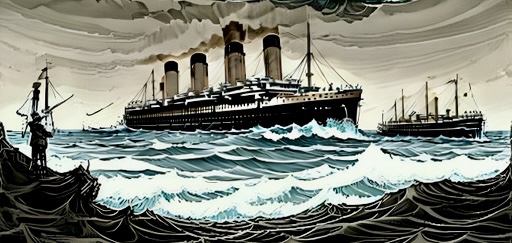
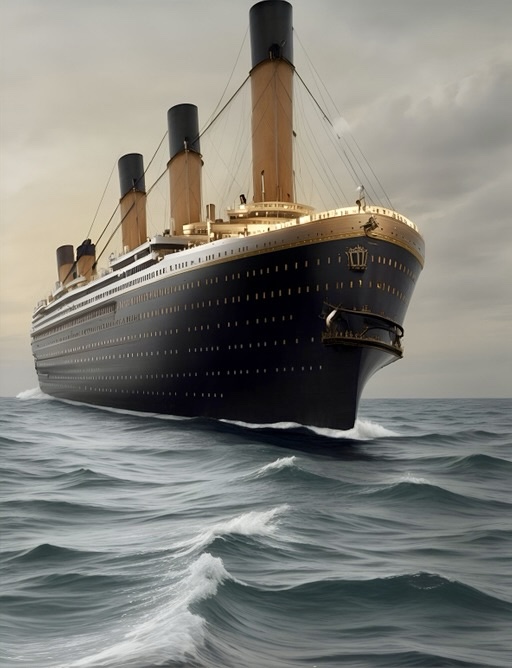
The Titanic, hailed as “unsinkable,” embarked on its maiden voyage with the promise of luxury and opulence. Onboard, passengers reveled in the grandeur of the ship, confident in their safe passage across the Atlantic. However, fate had a different narrative in mind.
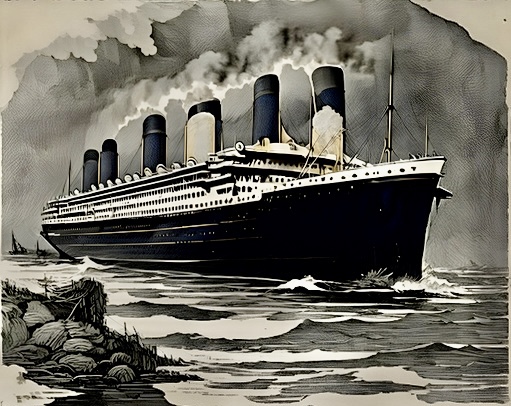
On the cold, moonless night of April 15, the Titanic struck an iceberg, rending its colossal hull. Panic and chaos ensued as passengers and crew grappled with the harsh reality of their impending doom. The ship’s orchestra, an ensemble of talented musicians, found themselves thrust into the heart of this catastrophe. Yet, amidst the chaos and fear, they recognized the power of music to provide solace and a glimmer of hope.
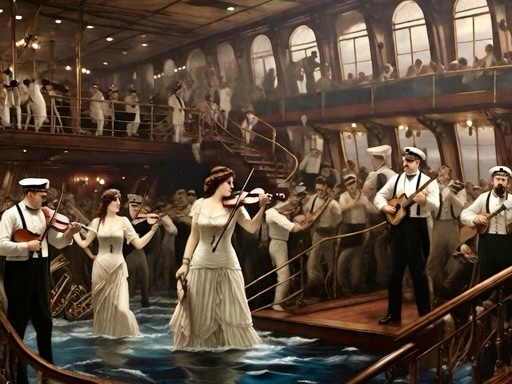
The musicians continued to play as the ship slowly descended into the icy depths of the Atlantic. Their haunting melodies, from hymns to soothing waltzes, filled the night air. Passengers, huddled in lifeboats or clinging to debris, found solace in the music, and it helped to soothe their terror.
One particular piece that resonated deeply with those on board was the hymn “Nearer, My God, to Thee.” Its mournful chords echoed across the decks, providing a poignant soundtrack to the ship’s final moments. The solemnity of the music, juxtaposed with the chaos, created a heart-rending experience that remains etched in history.
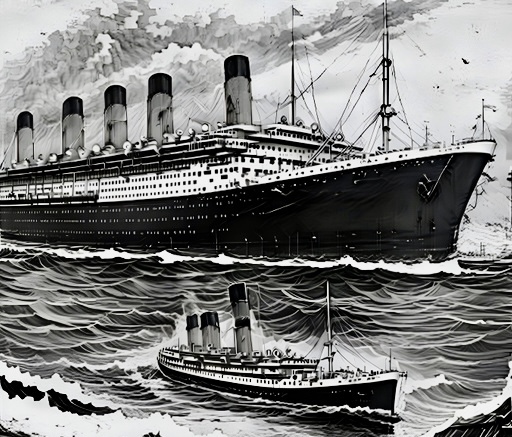
When the RMS Carpathia arrived to rescue survivors, it was met with the eerie silence of the Titanic’s sinking. The orchestra members had continued to play until the icy waters silenced them forever. Their sacrifice, their unwavering commitment to providing solace through music in the face of impending death, touched the hearts of the survivors and the world.
The Titanic tragedy had a profound impact on society. The sheer scale of the disaster, the loss of life, and the heroic acts of passengers and crew gave rise to a collective outpouring of grief. It was in this emotional crucible that the power of music as a means to express and process sorrow became evident.
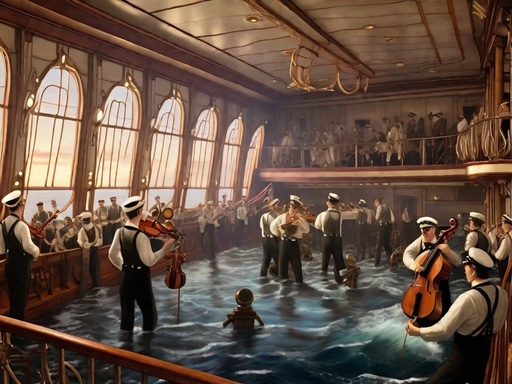
The hymn “Nearer, My God, to Thee” found renewed significance. It became a symbol of resilience, hope, and remembrance. Composers and artists drew inspiration from the tragedy, creating emotional masterpieces that captured the depth of human sorrow and the will to overcome.
The Titanic disaster laid the foundation for a new era in music, where the expression of emotions reached unprecedented heights. The haunting melodies of that fateful night became a testament to the human spirit’s capacity to find solace, even in the darkest hours.
In the years that followed, music evolved as a vehicle for channeling emotions and addressing societal issues. The legacy of the Titanic’s musicians and their unshakable dedication to offering comfort through their creative expression, left an indelible mark on the world.
In conclusion, the Titanic tragedy is a powerful testament to the profound connection between music and emotions. The hymn “Nearer, My God, to Thee” and the musicians who played it exemplify the human capacity to find solace and hope through the art of sound. The world changed that night, as music’s role in expressing and soothing emotions reached a new pinnacle, leaving a legacy that resonates through the ages.
 Love, Music, and Soulful Musings
Leave a comment